 This Friday, September 30, 2022, we are proud to announce that Undersea Hunter cofounder Avi Klapfer is to be inducted into the International Scuba Diving Hall of Fame. The ceremony will be held in the Cayman Islands.
Avi was nominated back in 2018 by dear friend and photography legend Ernie Brooks.

Avi Klapfer is a diver and underwater photographer now based in Costa Rica, who has represented Cocos Island since 1990. He was instrumental in bringing the magic of Cocos Island to the world both by providing the first premier liveaboard there, and also through the brilliance of his photography.
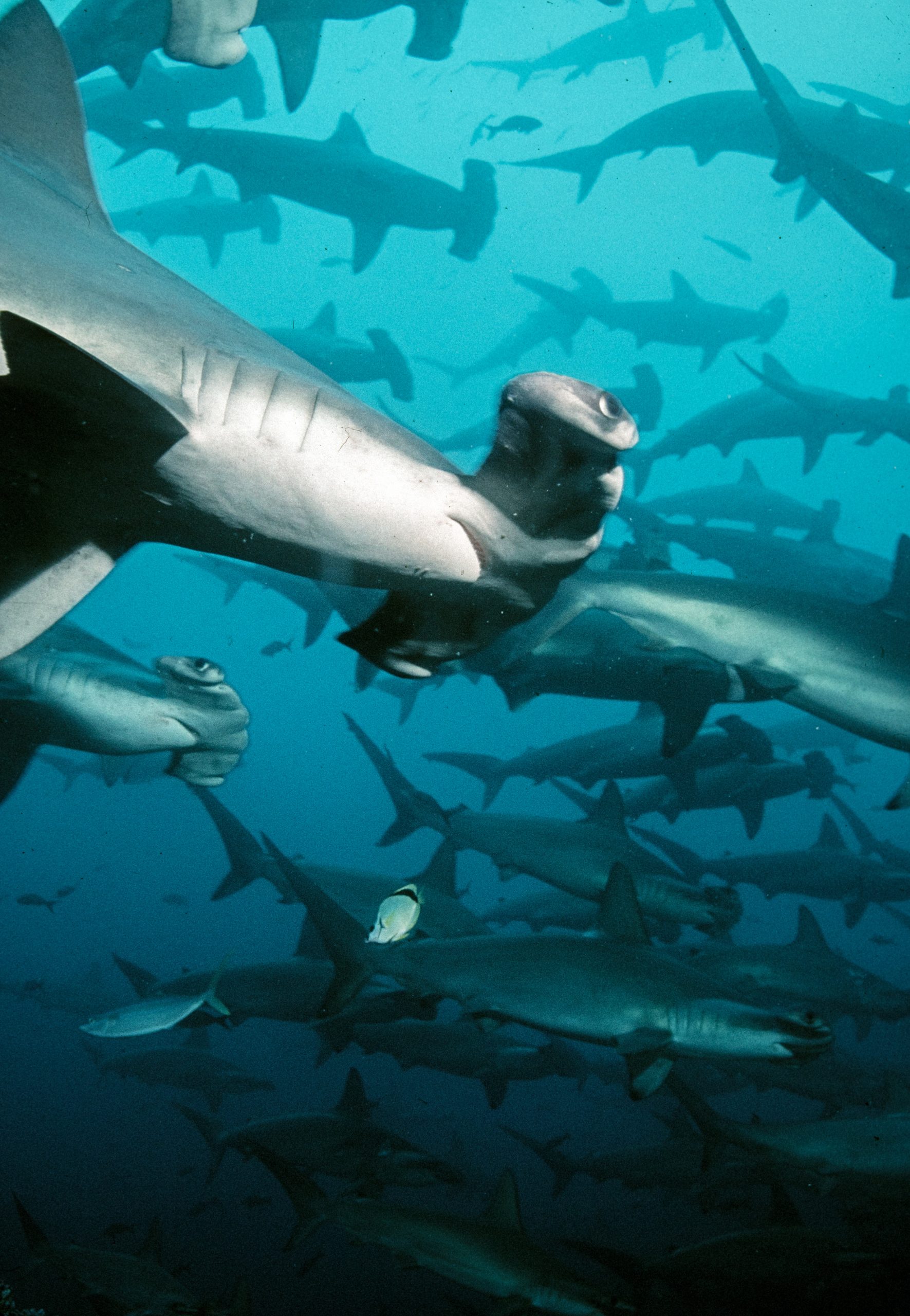
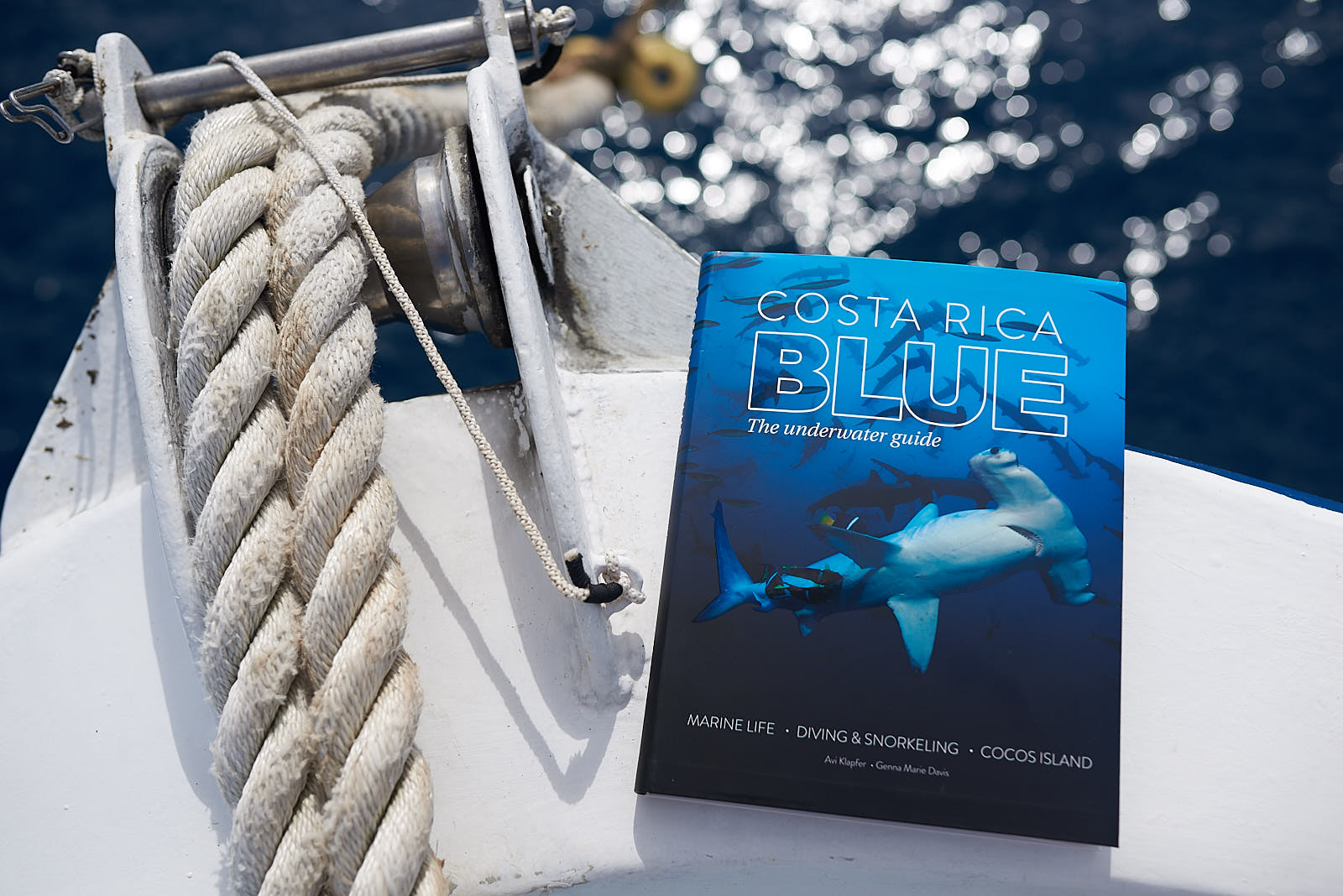
Avi’s company has provided film support for countless film and expeditions from National Geographic to the BBC, including Howard Hall’s epic Imax film, Island of the Sharks. Klapfer helped bring about the popularization of nitrox on recreational liveaboards. He has provided detailed dive reports for each and every dive completed on Undersea Hunter’s three vessels (Sea Hunter, Argo and previously Undersea Hunter) over the past 32 years, which have been used for a myriad of research papers oriented toward conservation (a prime example of this is the 2015 paper published by Conservation Biology called Shifting elasmobranch community assemblage at Cocos Island—an isolated marine protected area). He also has worked closely with various dive organizations in collecting research. Most recently, he co-authored a comprehensive dive guide featuring his guide for all of Costa Rica with an emphasis on Cocos Island called Costa Rica Blue. It is the first book of its kind for the country and an important step in drawing attention to protecting these waters in a country under constant fishing pressure.
BIOGRAPHY
Born and raised in the northern part of Israel, Klapfer ended up in Costa Rica quite by accident. After completing military service as a naval officer, he took a job as a dive boat captain on the Red Sea. There he fixed up a sailboat and navigated around the world with Orly, his soon-to-be-wife, and Yosy Naaman, who is now his business partner at Undersea Hunter. They lived eight years on the boat doing a little bit of everything. Klapfer started out as a fisherman, spending up to six hours a day spearfishing. Little did he know that he’d soon begin protecting fish rather than hunting them.
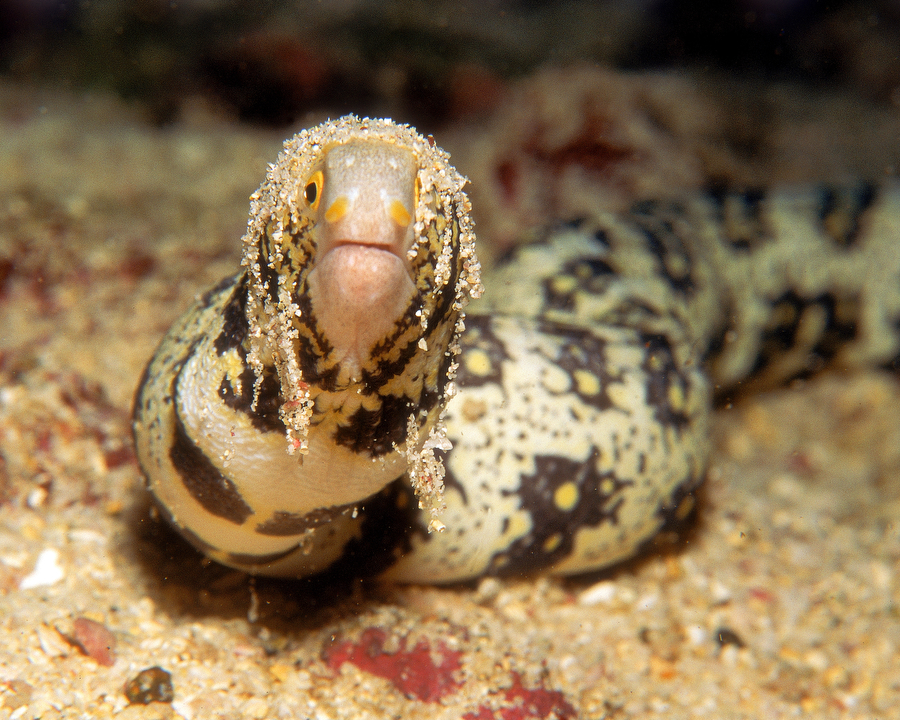
Cleopatra
Klapfer went to work on the very first liveaboard in Palau, Micronesia, where he was introduced to an American friend’s waterproof camera. Just like that, an underwater photographer was born. In the 80s, underwater photography was a tedious and impressive feat. Old-school cameras in waterproof boxes were about as high-tech as it got, and if Klapfer managed one or two good photos out of a roll of 36 he considered himself lucky. The Kodachrome had to be put in a prepaid yellow envelope and sent off to a processing center in the U.S. where it would take about three months to develop and get back (assuming it didn’t get lost in the mail). Once the pictures arrived, he had to try to remember where the shots were taken and on which settings.
As his images started circulating in major publications like Oceans Realm, Klapfer began toying with the idea of building a ship specifically designed to serve professional filmmakers. He imagined a boat so luxurious that after experiencing it, moviemakers would be spoiled and unable to go back to traveling on an ordinary ship.
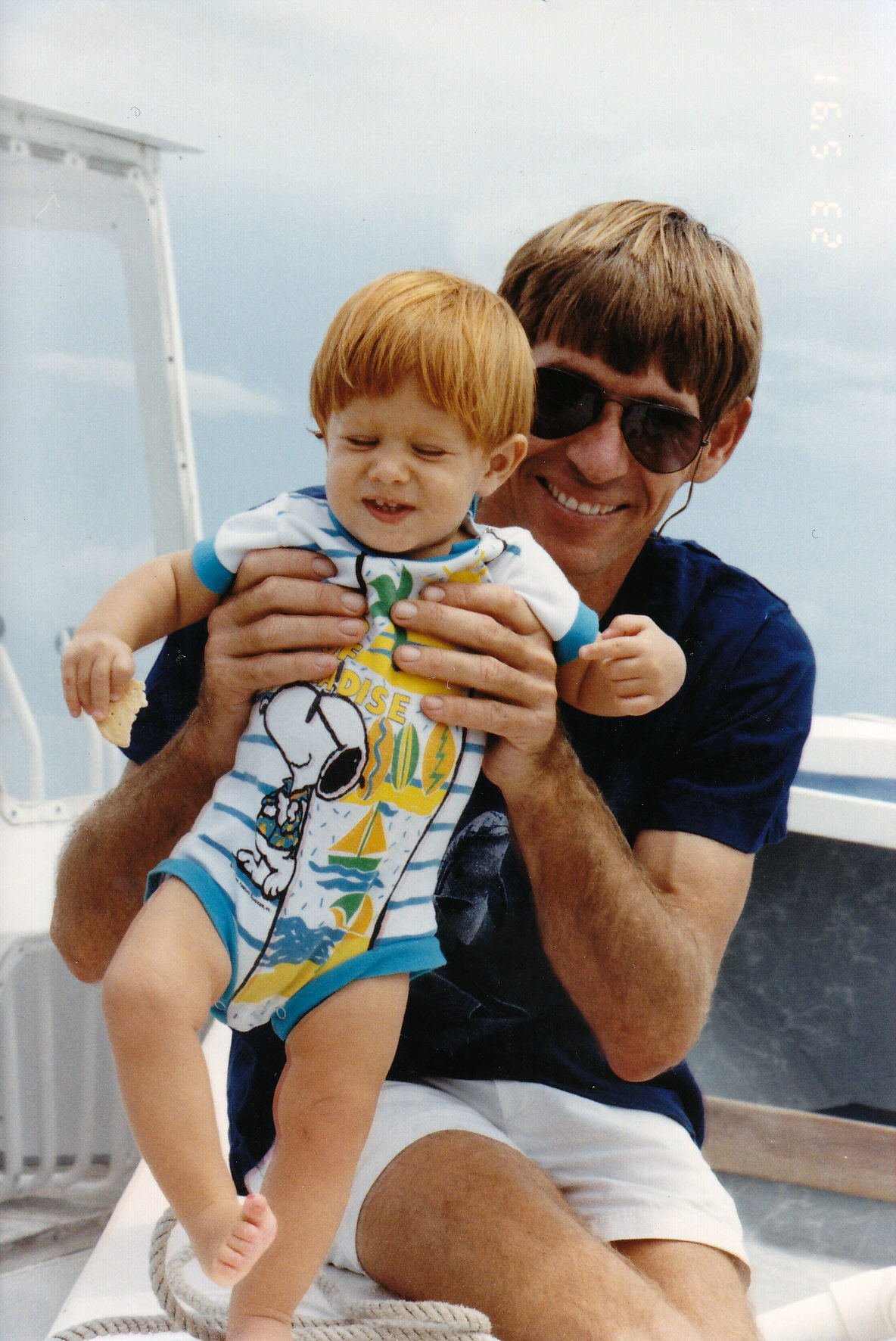
Avi’s eldest son spent the first 10 months of his life going back and forth to Cocos aboard the Undersea Hunter
In 1990, after selling their ship in Palau, Klapfer and his travel partners began thinking about where in the world to stage their next adventure. While attending a DEMA diving tradeshow, a former agent recommended that they go to Cocos Island. Looking at a map and realizing it was 300 miles from mainland Costa Rica, they rejected the idea at once. “Nobody in their right mind would go three days offshore on a boat to dive,” Klapfer thought. Then, in the next booth, exciting footage of a whitetip reef shark in a cave caught his eye. He asked cinematographer Stan Waterman where the film was taken, and – sure enough – the answer was Cocos Island, Costa Rica.
Without any more ado, the Israelis acquired the Undersea Hunter ship, upgraded it with cinematographers in mind and set off to this unique and isolated place. Home to the largest biomass (total density) of fish in the world, Cocos Island’s prolific marine life includes mantas, sea turtles, whales and – most famously – unprecedented numbers of hammerhead, Galapagos, tiger, silky, blacktip, silvertip and whitetip reef sharks. Isolated Cocos Island is one of the few baselines we have for understanding what the ocean was like before humans began destroying it.
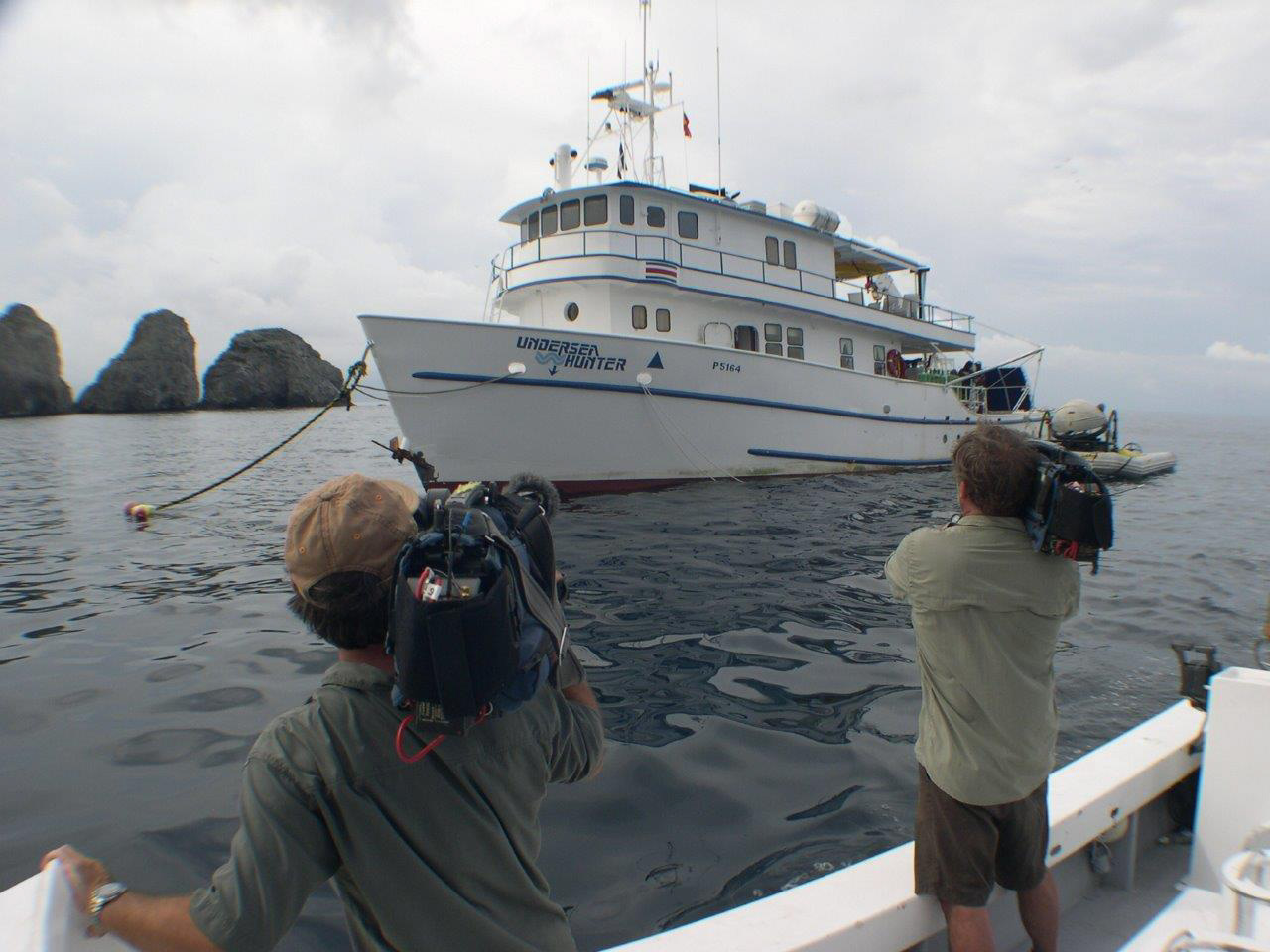
Undersea Hunter with film crew
Over the years, the Undersea Hunter Group has provided scientific assistance to organizations like Duke University and DAN (Divers Alert Network), providing statistics and log data on upcoming trends and technologies like nitrox and dive computers. It has also helped with numerous research projects in conjunction with Mission Blue, Pretoma, Misión Tiburon, and the Smithsonian, along with the University of Costa Rica.
In addition to more than two decades of dive logs, every time their “Deep See” submarine descends, it catalogs depths, temperatures and other info at various locations. It also records video files with a laser scale, which scientists can then freeze frame by frame, zooming in to count algae, particles in the water, etc. Analyzing years of this information creates a sort of virtual mosaic of the island’s underwater topography.
When it comes to Cocos Island’s preservation efforts, Undersea Hunter has done everything from lobbying to declare it a UNESCO World Heritage Site to providing visual evidence of illegal fishing practices within its boundaries. Ocean conservationist John Tresemer (who was involved in transferring control of the island from the coast guard to the national park service in 1978) says “the arrival of the Undersea Hunter Group was a real blessing for divers, the new park personnel and the marine life.” He maintains that its submarine exploration and service to researchers aided in confirming the park’s unique biodiversity – and “helped make Cocos Island one of the best protected dive sites in the world.”
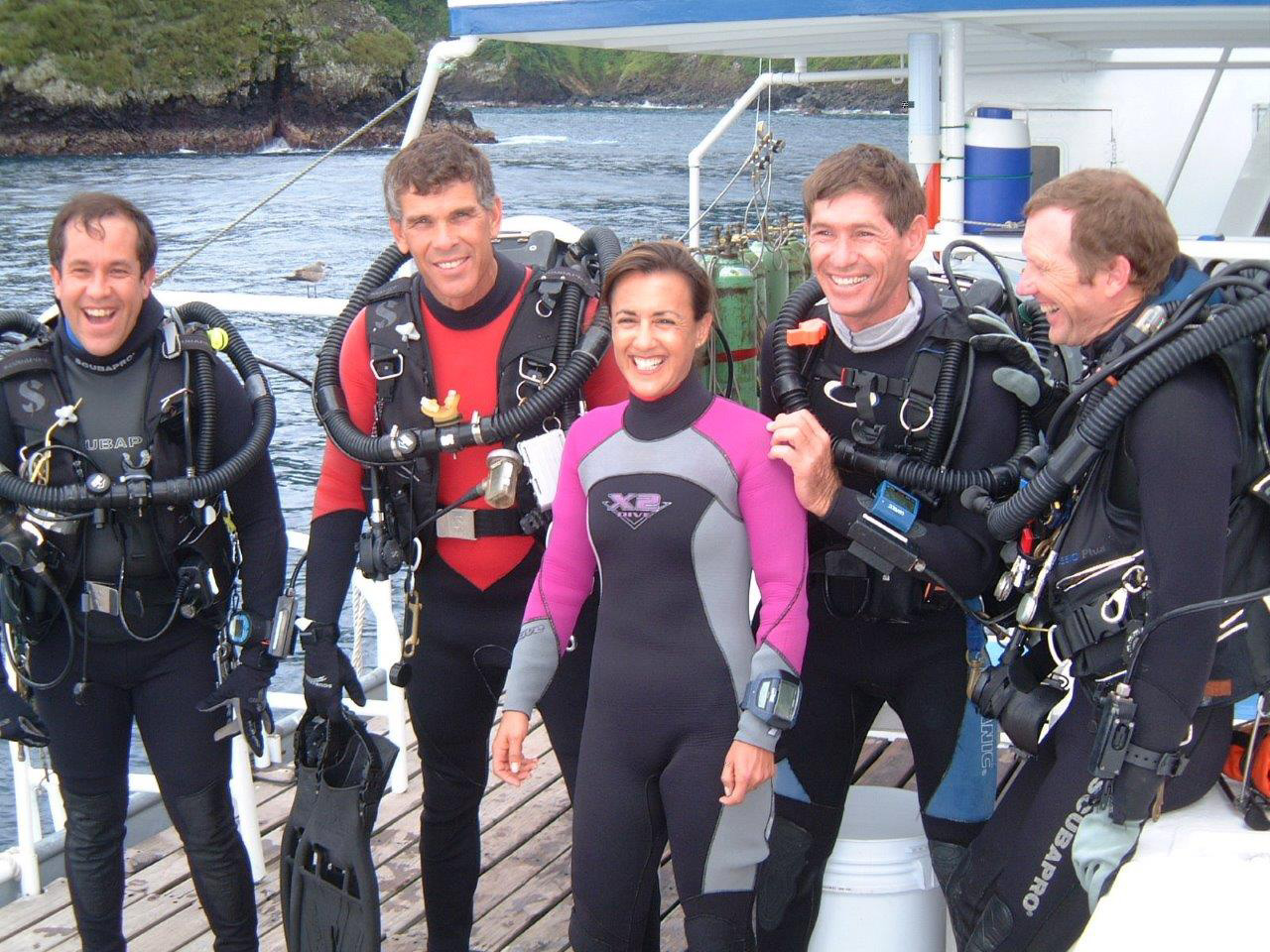
Avi with renowned filmmakers Michele & Howard Hall
To Klapfer, one of the most important elements in keeping Cocos Island protected has always been spreading word of its novelty through video and media images. “Obviously this is our livelihood and we have a commercial interest in this place … but the diving community is truly Cocos’ voice,” says Klapfer. Without that community, he believes the commercial fishing industry would pounce on the area, because no one would kick and scream to protect it. “It’s not being a national park that makes [Cocos] famous,” says Klapfer. “It’s the tourists and filmmakers that travel here and go back that make it a famous place.”
Avi currently goes between Costa Rica and Israel where he has a home with his wife, three sons, dog and cat. He frequently visits Cocos Island the Undersea Hunter Group’s two boats, MV Sea Hunter and MV Argo.
Click here to purchase a copy of Avi’s book, Costa Rica Blue.